Decision making – unfolding what is present

Deep Democracy blog series/ Kirsi Joenpolvi

Process work combines both inner work and any situation outside (and simultaneously) inside ourselves. In turmoil and conflict it can increase the awareness of the overall picture by helping to notice subtle hints and flickering signs that then help to navigate forward and support one’s unique path in the seemingly impossible and overwhelming situations. It opens up new potential both in personal issues and professional facilitation. These also go together as the systemic world is one, so working on oneself is as important as bringing the facilitation into the more set up situations e.g working on important social or organisational issues.

In other words- every problem you run into the outer world exists in one way or another inside of yourself, too. Maybe just as a “homeopathic dose” but still.

My original interest to deep dive into Deep Democracy facilitation* steams from the original moments of getting in touch with it: the group process, how the body symptoms and proprioceptive sensations are part of all, how they are related with oneness. Conflicts were my original interest for the kick off but in retrospect I see that the place of “not knowing” was an essential part of that. In situations that remained puzzles because people had different opinions or no desire to go forward.

I have learned a lot yet it s an on-going learning; every new -little or big- conflict brings a new learning and invites to open up to insights with myself and with the field that organises us.

*Deep Democracy is the practical implementation of working with small and large groups, communities and international events and environmental problems based on the Process oriented psychology.

Life flowing -a happy place

One week in January. Here is my recent Facebook update: “I felt so lucky to be able to wittness @Bhavani’s phD graduation celebration in Jyväskylä. It was also an interesting process for me as I had some challenges even at the very last moments of my journey. But finally and interestingly it lead from one step to another and finally- there I was. The topic around diversity and leadership development certainly is one of the Key factors in the future and how we surf in the more and more Complex systems and even develop our leadership while living through it.”

Simple as that. Yet there were a lot of frustrations and incidents before that. It certainly was a surprise that I ended up going!.

It was supposed to do the first trip anywhere for six months after my vertebra accident and the journey itself felt already like a journey into unknown. I still had challenges connected to carrying stuff or sitting too long. The whole week ahead felt a bit scary: on Monday I was supposed to go to Lahti and back – already a 200 km of driving. But I was in a cheerful mood when I was driving back to Helsinki. I had confidence that I could make it on Friday to Jyväskylä and even in time eventhough it would mean 270 km of driving, waking up early and being all dressed up to go straight to the University to attend the public defence of the PhD.  

It would also mean sitting and not too much of stretching or any movement but still I was confident. It was only the hotel that I was a bit unsure. Which one I should pick up? I felt like no worries about that, it would be only one night. 

So, life was all good, was happy about my plans. There were no conflicts around – not in my worlds. I was in phase one. The harmony was suddenly interrupted two kilometers before home. There was an alarm announcement at the car screen: The gear system has a disturbance but driving is still possible. The engine started jerking. I could not believe this. I had to read this announcement twice. In a second my nice flow with life was flushed down the toilet.

Chaos! The second phase

What was the time? Could I still make it to the car maintenance. Yes, if I was efficient.

The girl behind the counter suggested exactly that: leave the car there- they would put it into the fixing que – only 4 cars before mine. And no, you really can´t drive as far as Jyväskylä with it. 

-When would it be examined? 

-I do not know. It depends on the other cars. Then of course when we know what is wrong. After that it might need some part from Germany that must be ordered and only once it has arrived, it can be fixed. Then there is the fixing time that we do not know.

How many times did she say this: “We don’t know.” I was not happy with this- it was one of my primary self’s least wanted square in the game! But I need to know, was the voice inside of me yelling. I want to know if I can make it to Jyväskylä on Friday! This is a special situation and they should do the fixing as soon as possible! While I was in the middle of this frustration I was also aware that this exactly – the confusion of not knowing helps me to find the inner sense of knowing. But it did not help at that moment. I was so deeply in the surviving mode – fight or flee. As it often happens, the sports girl mode in me becomes active in those moments.

-What would you estimate? I should be driving to Jyväskylä on Friday.

-Well. I don’t think your car is fixed by then.

Oh my gosh. Why now? WHY this week?

It was like an ongoing flow of signals from the world channel. Cars and traveling and timing. Not knowing. My normal self was super actively making interpretations of these incidents.

In the more intense and fast processes it is challenging for me to slow down and to notice what is really going on. I saw how I was flipping between my primary automatic reaction (based on the consensus reality) and the meta-communicator who was looking at the elements of this situation:

The timing. Nobody knows. Nobody had control over it

The car, my way of moving– suddenly unrealiable

My body- another way of moving– unrealiable

Me and my polarities about travelling: facts, fears, doubts, trust, deeper motivation

I had the inner conversation of two roles:

  1. No, I would not go. It is causing a lot of stress already without the car. What to pack, how much I can carry, if the hotel is good because I do have a weird feeling about it. Also- I would need to wake up early and sit first for 3 hours to travel, then sit at the university, and again in the evening. Too much of sitting, carrying, and messing around. I can´t go unless I have my own car. I can watch the public defence presentation on-line and do not have attend the party in the evening.
  • I would go and find a way to do it. Maybe rent of car? It would mean so much to me. The phD thesis topic itself, it is about an important topic and I had really looked forward to attend the celebration. Lately I have been priviledged to learn to know these wise foreign women in Finland, that follow their heart and come here to fulfill their professional dreams. I felt like supporting them. Also, It would be a safe way to see how I can travel with the back issue- I was in Finland, not abroad and I would be able to move around easily. Well. If I had the car.

I felt confused. Back at home I did some hand gesture excercise to find out more about this energy. My “going option” showed a lot of tension and twisting in the movement, but it developed into a softer movement in the air, almost like a dance. The not going was just still. I did not know what to do. I was not able to see deeper in neither of the options. Maybe it was about the timing? I decided to wait for the information concerning the car.

Nobody had control over timing.  The world channel was giving these messages so strongly that I could only accept it. The car maintenance staff had already an extra load of unpredictable elements e.g he other cars, fixing time and mechanical part “X”. The whole scene was hanging in the air. It was steadily supporting the unfolding, not solving immediately. Deamplifying what happening in me and around. Slowing down is ok, it does not mean doing nothing. The field was saying just flow with this. The “X” is playing the big role here! (A peculiar notion about the X: in Deep Democracy Theory the unfamiliar parts, something that the disturbance invites to know more about is called the “X“. As my “X”- the not-me was causing a hard time for the me, my car was obviously also having an issue without the new X!)
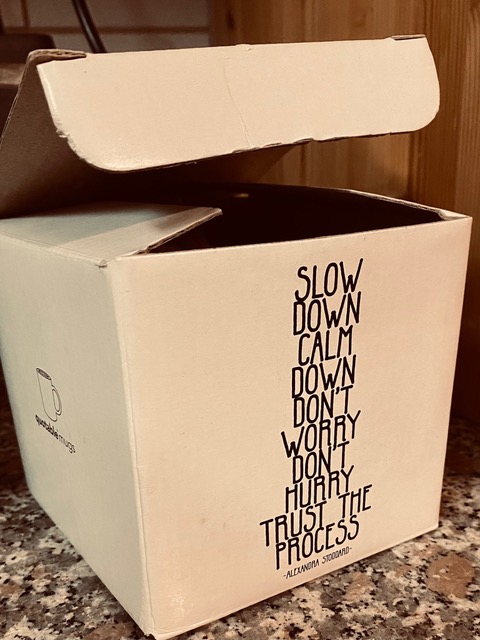
Photo: Kirsi Joenpolvi

Opening up to the “opponent” -slowly shifting perspective

Wednesday afternoon. Eventually the phone call about the car came.

If they fixed it, some part from Germany should be ordered. They don’t know how much time that would take. Maybe 1-2 weeks. I walked to the grocery store and back and carried some stuff in my back bag and noticed that it was a little too much. I saw how my back strength had some boundaries. I had to look for other possibilities for the meantime anyhow.

I had been deep diving in the first two stages of conflict by then.

In order to get more information beneath it is a natural state to identify only with the part that we see as our normal state. When my car gave the notification of having a gear disturbance I saw how my normal way of planning things went out of the window – It was clearly a hot spot for me that brought up all my worries, disappointment and doubts about the situation. The girl behind the counter at the VW was hearing lot of this: Could they please fix my car as soon as possible! I was so much bothered by the situation, in the conflict phase two.

When the second phase is deepened enough, it can create space for more options and understanding and maybe some deeper insight about different other new roles in the situation. The other part, the “enemy” is something that we naturally do not fancy so much, but little by little its different aspects and qualities become more familiar. It is a delicate dance, since the disturbance can sometimes be so strong that one has to stay in the second phase as long as it is needed.

The timing in the field was so strongly present that I could not justify for the option of not going only because I did not have the car.

As much as it was my process, It was also a group process: 

The roles  in the beginning:

-To go or not to, knowing and not knowing: It had its own curve. Fast, slow, fluctuating. I was struggling to get forward from the consensus reality and letting the deeper part of me to guide. Vehicles: they were all unstable, my body and the car. Yet something was stable as the unstableness was on one side. The car maintenance was following their own rhythm.

Relaxing and opening to solutions – entering the third phase

Photo by Pexels.com

The world is one. My two options that were stuck in the consensus reality got manifested by two people

I talked with my friend to whom I shared about this decision process. She listened to me and said it is maybe the wisest solution is not to go but to rest. Traveling causes too much stress and I should take it easy and to concentrate on my healing. Yes, it was true. It was causing a lot of stress for making so many arrangements especially because of the back issue. It would be wisest to rest. So, this might be my final decision. I am ok with it.

My body was relaxed for a moment and I was living with this relief.

The next day I had a call with the book keeper about some paper work and told her that I would not be bringing the invoices because my car is being fixed. And too bad, but now it seems like I can´t go to Jyväskylä on Friday either since because of my back I really would need a car for a trip like that.  She asked if have I thought about getting a new car since it seemed the problems always begin after some amount of kilometers. Yes, indeed I had. It was a sign for me to change the vehicles. And then she asked how about renting the car for the meantime? “Then you would be free to move. “

Well, yes, it had been my mind. But I had been waiting for the clarification from the VW center which by now I had, so it was getting clear that it would take some time to get my car anyhow.
I noticed that I was no longer trying to stop the process and make final conclusions of it but rather accepting to the flow and was curious about the next elements in the this process. The third phase of the conflict phase was setting in.

Traveling in general is a great way of exploring my X´s. On the other hand the enthusiasm that is present can reveal the deeper motives about the trip.

After having the conversation with the book keeper my enthusiasm rose. Finally the door way to dreaming reality opened! I was full of energy despite the arrangements that in the first place had felt stressful.

I would rent the car and go! It felt important for me and my own healing process, the dreaming reality was revealing my deeper goals and motivation: wanting to create new connections with that circle that would be present in Bhavani´s social party. The eldership mode was supporting my decision that I by now felt like the right tone coming from my heart. I had finally found the cool spot, a place of resolution.

Why did it feel so right? Lately I have been having the inspiration to support foreign people – especially women who have come here for their true calling. it is something that came up during these long autumn months when I was not able to move and had to spend a lot of time on the sofa and think about meaningful aspects in life. As I got even help from the outside – two people representing something that was inside of myself I was able to feel the deeper aspect of what was happening.

The oneness of all. The Essence World. Visiting now a little bit of the phase 4, then swinging between four and three. The most of all, I had found an inner peace with what I was doing. 

My X´s:

-To even choose to travel. Uncertainty and fears already there in the beginning. With my back problem it felt like a test of not knowing. But when my car broke after the first trip on Monday a big trust issue was showing up. 

The Conflict Phases

In the beginning it was difficult to see the other side than my normal “y”. I wanted to make plans that I can stick to. I was marginalising the options that were against my plans and not going was along with that side. The other side –the situation from a broader vision came finally when I had the conversation with the book keeper. After that I was able to see the possibilities and more roles in the situation. 

This opened me to deepen the second phase and to see the other sides and in the end being able to sense deeper motivation of the whole process and enter the third phase. Moving on from consensus reality and touching the elements of dreaming reality, to get more familiar with the deeper aspects of my process and understand why it did not feel so simple in the first place.

What really helped was to notice the polarities that were present, accept and welcome them as such and not resist whatever it was. The flow of people outside presented roles that existed in me and thus helped me to see the process so vividly. It was a group process with my inner self and the world, since they are interconnected.

On the same day I made the car reservation and decided to go. I still had all the possibilities: even to turn back- the hotel reservation I could cancel anytime. This all brought such a flow of energy streaming in me! I could travel!

Photo by Sebastian Palomino on Pexels.com

It would be gentle way since I was letting it go as it would go. I had no agenda that it should be perfect.

Sensing the fourth phase – the oneness

So, I went. I got new connections and networks on different levels. And I learned a lot more of meeting these people, many of them from India, coming to Finland to study, adjusting into our social community and enriching the diversity so amazingly. I also could see more of Finland through their eyes. The great things that I might be taking for granted. I felt the community of oneness during the evening, I could feel it was my deepest motivation to attend, pushing me to enter the place of unknown and letting go.

The learnings I keep with me:

HIGH DREAM-LOW DREAM CONCEPTS: They constantly happen in group processes and people´s interactions. A lot of interpretations are involved. A dreaming process that you can learn a lot of your unique tendencies. It is good to go to the end of the both sides, to let them be amplified to see where it leads you with you process and THEN see how it releases its power grip. 

High Dream: Something lovely happens and you interpret it as if it is the New Beginning. Something BIG is going to happen.” The deepest beliefs and highest hopes, expectations of some ideal. The Low Dream: The worst or the least unwanted outcome of the situation. Something goes wrong and it creates a tension, and the primary part start interpretations: this is a sign, things can’t get right.

To let them play and learn about them is a good way to lessen the tension. ” Arnold Mindell: Sitting in the fire, p. 199-200:

The Fruits of my journey: 

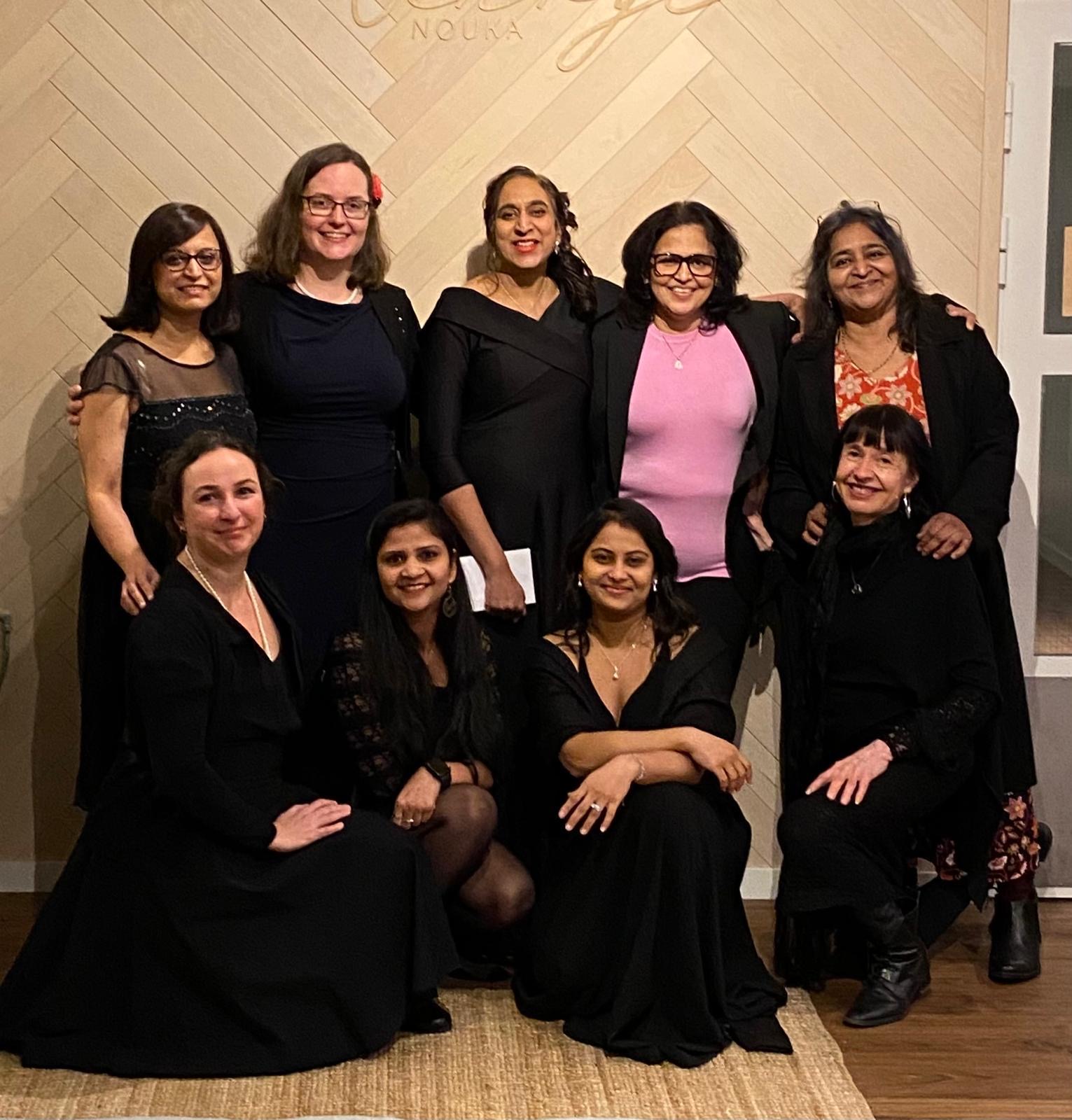
The community eldership being so much present at the party: as we all shared about our connections and about our background it was as if the diversity was manifested at the celebration as well as it was within the title of Bhavani´s work. Experiencing the Essence world, the beauty of oneness. Most of all, I had found an inner peace with what I was doing.
It was about finding the creative dance between all the realities - consensus, dreaming reality and the essence world. Unfolding instead of solving. Slowing down to notice the signals. Making space for going deeper and letting the insights come.

What time is it in the world *?

We live in different realities that are constantly affecting our system, individually and collectively. It is challenging to adjust to the consensus reality time frame if there is something else taking place in the dreamland: e.g the hopes, experiences, fears and unspoken needs connected to the situation. In the concept of realities and challenging situations I find it as an essential practice for myself to let the process reveal what is going on instead of pushing forward. Slowing down does not mean that I am passive, it is about being more conscious in the middle of a chaos. The consensus reality is though often so dominant – on the other hand the Dreamland and Essence world realities are timeless.

*Theoretical background of the three parallel worlds:

Process Work deals with all the things we normally think of as “real” events, problems, and issues connected with the development of individuals, couples, businesses and cities. Groups and individuals use feelings and facts, to describe conflicts, issues or problems.
Consensus Reality: what is considered real by a given person or group.

Dreamland: experiences and events people often don’t pay much attention to such as: dreams, deep feelings, unspoken truths, “double” or unintentional body signals, “ghosts” (unrepresented figures). History, visions and transgenerational events are important. -Individual body feelings that are often reflected in dreams. -relationship double signals (signals that don’t seem to “fit” at first) -group ghost roles or things and events mentioned but considered not present, such as figures from history and visions.  

Essence worldDeeper non-dualistic tendencies that can be sentiently felt to move us. Intangible, “dreamlike” tendencies that are not yet easily expressed in words. This area of life can sometimes be felt as a subtle atmosphere around people, events and areas of our planet earth. The essence level has nonlocal, quantum-like blurry overlapping states, and cosmological, space-time or gravity like experiences.

——————

Other concepts in the text: primary and secondary processes, me and not-me, channels, body signals (body symptoms, proprioceptive body sensations), group process, roles, hot spot, cool spot, conflict phases

Literature:

Arnold Mindell:

  • Conflict: Phases, Forums and Solutions
  • Sitting in the Fire
  • Working with the Dreaming Body

Julie Diamond and Lee Spark Jones: A Path made by Walking

Amy Mindell: The Evolution and 3 Branches of Process Theory

The next chapters:

-My childhood dream and patterns of it: how they manifest in the situations of not knowing? Is it also a place of knowing?

Interesting links

-SITRAn Erätauko:

https://www.sitra.fi/eratauko/

Kuinka mokat opettavat:

https://www.sitra.fi/artikkelit/kaikkea-ei-tarvitse-osata-mutta-lasna-pitaa-olla/

-Art of Hosting: http://www.artofhosting.org

https://growinghostingartistry.wordpress.com/2014/01/08/impact-of-the-relational-field-of-hosting-teams-ingredients-for-success/
https://www.researchgate.net/publication/272170381_Practicing_the_Art_of_Hosting_Exploring_what_Art_of_Hosting_and_Harvesting_workshop_participants_understand_and_do

-Gaia Education: http://www.gaiaeducation.net

-Process work: http://www.deepdemocracyinstitute.org

-World Cafe: http://www.theworldcafe.com

-Open Space Technology: http://www.openspaceworld.org

-Circle Way: http://www.thecircleway.net/

-Theory U: https://www.presencing.org/aboutus/theory-u

-Suomen fasilitaattorit: https://www.facebook.com/groups/fasilitaattorit/

– Citizen´s Dialogue Pilot Project by European Commission:

The Report of the Finnish Dialogue    https://drive.google.com/file/d/1OkU2P5WNOSYzWFFoA46cBZvKhS5PDeCX/view

Video of the event:

Interesting stuff about hosting teams: https://growinghostingartistry.wordpress.com/2014/01/08/impact-of-the-relational-field-of-hosting-teams-ingredients-for-success/

Falling in love with Process Work

Deep Democracy blog series /Kirsi Joenpolvi

My first meeting with Process Work was mysterious, brought a wave of curiosity and excitement and made me feel as if I was inside of an amazing piece of art, also known as Theatre of Life.

I was visiting the Ecovillage in Findhorn Scotland and touring around- I had just gone through an intense personal value transformation and was on the verge of making a leap into something completely else. During my search I had studied homeopathy and other holistic health trends, explored vegetarian diets, done a lot of body work, including dance. My background at the Business School was just something I wanted to ignore.

Findhorn turned out to be an important place for me to give birth to the new path. 

The moment I had the ”first date” with the process work was at the Universal Hall where the community was having its annual easter conference. There was something called a community process going on. A man in the middle was facilitating the group. I was allowed to sneak in for a little while, so I went and sat on a chair and watched what was going in the middle of the stage. 

I remember that the process was at a very beginning, and the facilitator asked if there was anybody who had a body symptom representing some stress in the community. One older male participant said his heart was aching.  For me it sounded a bit of alarming but the facilitator went on and asked if the aching feeling would have a sound or some kind of expression and asked the man to show it. The man suddenly yelled so loud  the whole hall was echoing. As if it he was suffering from some other sort a of huge pain.

The situation sounded and looked odd -but interesting. How does this facilitator KNOW so firmly what he was doing?  And to what exactly was the big group of community taking part in – what was the red thread behind all that?

It sounded far away from ”normal” and still he was inviting people into something outrageous that I could sense felt normal.

I was witnessing a systemic way of exploring group processes called Process Work and the facilitator in the middle was Max Schupbach from Switzerland. He was one of those experienced facilitators working and travelling in Europe in those days. 

I was only allowed be there for a little while and went on with my tour. The story unfolded: I ended moving to the area for 3 years. It was an intense 3 years where I learned a lot about group processes and systemic approach. I got into conflicts and out of them. Most of all I learned a lot about myself and self-management.

When I returned to Finland, I gradually ended up facilitating group processes in ecovillages and other grassroots organisations, deep dived more into the Art of Hosting, which is a wonderful systemic approach of designing and facilitating participatory group processes in different contexts and settings, implementing practical tools for different process phases. I worked more in the mainstream world and to my own surprise I gradually saw how my Business School background, Findhorn´s teachings, Art of Hosting and systemic thinking got united -it was never a path that I consciously had chosen but some part of me had!

At some point me and my colleagues were invited to call together an international meeting for the practitioners of Art Hosting. The format was a Learning Village and it took place at the Unesco site island in front of Helsinki -at famous Suomenlinna. It turned out to be a very special week for me. (Read my blog post about it: Diary at the Learning Village.) The week was based for an Open Space Approach, so it was going pretty freely, and many important topics emerged.

Also the four phases of group phases emerged: when the group stays together for a little longer there basically are four phases that it goes through, depending on the circumstances and context. First being happy and polite, then having polarities popping up, gradually understanding the other perspectives more and finally coming to some uniting truth.

During the week this happened especially in the facilitators group as we stayed together -participants varied depending on the days. As we had the Open Space format for the whole week, we still had some  loose structure in the terms of facilitation: morning meetings for starting the day, welcoming and introducing the structure for the new participants, inviting the topics into the middle and by the end of the day collecting the golden nuggets of the workshops and sharing them in a big group. Of course we also had some fun stuff taking place like saunas and great food at the local restaurants. For all that we also needed to have facilitators for each day.

The common phases of group process emerged -first being happy and polite, then having polarities showing up, gradually understanding more the other perspectives and finally reaching some flow of unity – especially in the facilitators group and especially for me.

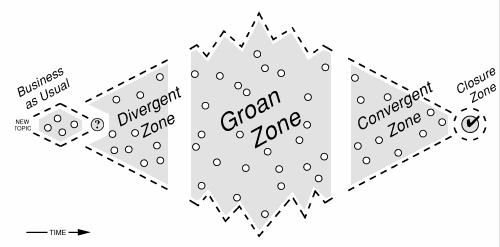
In the middle of the week we clearly sailed into the grone zone. It was in one of the closure meetings where one participant stated an accusation for the facilitators group; even though this is supposed to be an Open Space format, the facilitators are deciding too much -giving deadlines and telling how there will be something else than just the normal Open Space flow. This incident happened just when it was time to close and many of us were already hungry and tired, some tried to catch up the ferry to the mainland.

For some minutes there was silence and confusion. The facilitator said he would like to deal with this later only with only those who are involved. He made it sound so peaceful and nice but it was obvious that he was confused, too. 60 hungry people, tired of the day wanting to go for the dinner. (Actually we never checked how many wanted. ) Now what to do?

In that moment I felt: a) that there is something that could be done but I don’t know what and how! b) I felt confused and really frustrated. c) some sort of pressure in my body, as if there was a bridge that I wanted to reach but something was blocking the way.

Another facilitator said that it was about the time to arrive to the grone zone- this is a natural step! That brought some understanding for the moment but still what to do? The sudden interruption of nice energy flow was cut off. So let’s go for now was the decision- and but the energy was still flying around us. Some facilitators did not talk to each other so openly anymore. Some tried to keep up the openness, everybody dealt with their inner tensions on their own. We had one meeting where we touched the topic but it was a very polite one. It was unclear how to proceed further with the issues that seemed to be connected to the accusation. We shared about it a bit at our dinners but not really among the participants. The foggy energy travelled with us for the rest of the week.

Frustrated by this experience I started checking where is that facilitator that had gone into my memory so vividly back in Findhorn – he must be somewhere in Europe. I found out that there is the International Deep Democary Institute, a global think tank that Max Schupbach and his wife Ellen are running and that they had regular workshops in Netherlands, Amsterdam.

I travelled to the next seminar in Amsterdam, ended up travelling to many more until the covid made it happen more on the internet. To make the story short: I see how much Process Work is strengthening some inner muscles in me to become the more fluid in intense and abrupt conflicts that the world is surfing through.

I really love Process Work. There is so much I could list here and I will certainly come back to this:

I feel so captivated by the element of the field of a system, that automatically organises roles in it. The roles have polarities, sometimes unseen and unspoken but they exist. The ”roles” can be seen as energy streams of different aspects and elements that are present in the field no matter how the real world roles look like. When we slow down and give them a ”voice” /attention, the invisible diversities can up and the whole system more aware what else is present. Think about a conflict for example: there are basically two opposite opinions. When we go deeper into the opinions more elements that are on not the surface can show up. As they get voiced out, understood and accepted the whole field gets more relaxed and the conflict can ease.

The underlying information that is constantly present is an amazing source of potential. I am learning more and more how my own sensations are part of the field and how it actually can help the whole system when I am truly checking on myself and bring that authenticity with more awareness into the presence.

#deepdemocracy #processwork #emergentprocess #systemschange#artofhosting #sustainableleadership #diversityandinclusion #worldwork

Prosessitaide on moniulotteinen lihasharjoitus.

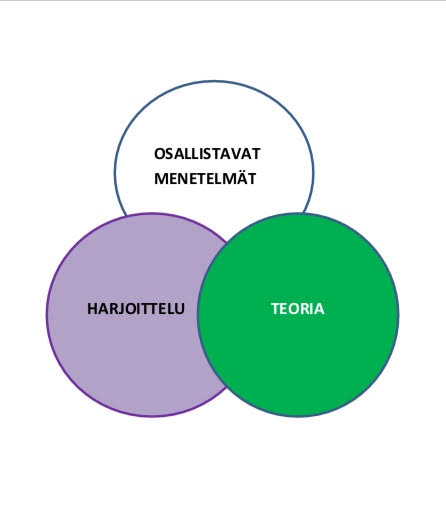
The Art of Hosting ei ole sattumalta saanut etuliitettään. Fasilitointi on taidetta kirjaimellisesti. Sen perustana on kolmen terälehden kokonaisuus: teoriaa, työmenetelmiä sekä reippaasti harjoittelua.

AOH kuva

Kokeile, pistä itsesi likoon. Opi uutta.

Ilman harjottelua systeeminen työskentely ei koskaan muutu konkretiaksi. Saati taiteeksi. Teoria ja menetelmät pitää elää todeksi. Luonnossa systeemistä toimintaa tapahtuu automaattisesti; kasveja kuolee, luonto vie resursseja sinne, missä niillä on suurin tarve. Ihmisten luomissa järjestelmissä systeeminen ajattelu ja tekeminen tapahtuu lähinnä ihmisten kanssa, vaikka ympäristöllä on siinä tärkeä roolinsa.

Pitää ymmärtää teoriaa, jotta voi lukea systeemisen prosessin vaiheita. Pitää tuntea osallistavien menetelmien periaatteet, jotta voi valita tapahtumaan tai tilanteeseen sopivan menetelmäkombon. Kannattaa myös tietoisesti opetella luottamaan eikä kiinnittää ajatuksia epäonnistumiseen, pelkoon tai huonoihin olosuhteisiin.

Osallistavien ja yhteisluomista edesauttavien menetelmien tekninen osaaminen on yksi väliaskel, mutta tärkeä. Kun tekniikka on hallussa, mahdollisuudet aaltomaiseen, prosessin vaiheisiin liittyvään tekemiseen alkavat. Ensin työkalut voivat tuntua palikoilta, joihin sisältyy erilaisia periaatteita ja sääntöjä; neliöitä, kolmioita, palloja. Mutta pikkuhiljaa ne muuttuvat elastisemmiksi, joustavammiksi ja niissä voi nähdä orgaanisia mahdollisuuksia räätälöityyn soveltamiseen. Samalla luottamus kokonaisuuteen kasvaa.

Art of Hosting-filosofian ydin perustuu neliulotteiseen johtamisen malliin, joka tarkoittaa erilaisten taitojen harjoittelua ja harjoittamista.

Samanaikaisesti tapahtuu useiden asioiden harjoittelua:

Ensimmäinen johtamisen ulottuvuus (host yourself) liittyy tietoisen läsnäolon harjoitteluun.

Kuinka hyvin on itsessään – kehossaan, mielessään ja sydämessään-  ja tunnistaa itsessään tärkeitä ominaispiirteitä ja -tarpeita. Tämä vaatii sitoutunutta asennetta jokapäivittäisessä elämässä: kaikki läsnäoloa lisäävä työskentely on hyödyllistä. Se on myös elämäntapa; oikeastaan et ole ikinä lomalla- toisaalta olet aina.

Toinen johtamisen ulottuvuus (participate) on dialogin harjoittelua.

Kun osallistut keskusteluihin ja tapahtumiin, harjoittelet tietoista vuorovaikutusta: olet tietoinen kokonaisuudesta sekä siitä, miten sinä vaikutat kokonaisuuteen.
Opit pidättäytymään oletusten ja johtopäätösten tekemisestä ja harjoittelet kuuntelua ja kokonaisuuden huomioonottamista oman vuorovaikutuksesi ja läsnäolosi kautta. Dialogi on myös itsessäsi tapahtuvaa, ja sen huomioiminen voi auttaa myös kokonaisuutta.

Kolmas johtamisen ulottuvuus (host others) on mentaalinen harjoitus: miten systeemistä teoriaa ja osallistavia työkaluja sovelletaan käytännössä.

Harjoittelet tunnistamaan prosessin eri vaiheita, valitsemaan parhaiten kokonaisuutta palvelevan osallistavien menetelmien yhdistelmän. ymmärrät miten sadonkorjuun ja suunnitelman (designin) ja toteutuksen tulee palvella tapahtuman tarkoitusta. Ja koko ajan olet tietoinen omasta sisäisestä asennostasi, miten olet yhteydessä yhteiseen tarkoitukseen ja osallistut dialogiin. Oikeastaan elät sitä todeksi olemuksellasi.

Neljäs johtamisen ulottuvuus (co-host) on kollegojen kanssa yhteisharjoittelua.

Harjoittelet yhteistyötä ja tuet omalla osaamisellasi ja läsnäolollasi parhaan mahdollisen lopputuloksen syntymistä. Harjoittelet kokonaisuuden palvelua ja pyrit tuomaan toisissa esiin heidän parhaat puolensa. Harjoittelet tunnistamaan sitä, mikä systeemissä pyrkii esiin ja vaatii huomiota.

Miten yhteisö tekee ihmisestä vahvemman ja miten yksilö taas voi auttaa yhteisöä viisaammaksi?

Voimaantuminen on parhaassa tapauksessa molemminpuolista.

Yhteinen kenttä

Tunnistaminen ja yhteisluominen on osittain ei-näkyvää. Jokainen yhteisö, fasilitointitiimi ja verkoston prosessi on ainutkertainen kokonaisuus. Hyvä valmistautuminen ja neliuotteisen johtajuuden harjoittaminen on perusta, mutta jokainen tilanne kertoo silti, mitä se kaipaa. Fasilitaattorina luottamus kokonaisuuteen ja myös omien tuntemusten seuraaminen on oleellista; kaksi teoriassa samanlaista tapahtumaa voi tuottaa hyvinkin erilaisen toteutuksen.

On hyvä havainnoida, mitä ryhmä tai kokonaisuus käy parhaillaan läpi. Se mitä lopulta tapahtuu alkaa siitä, mikä tarve tai tyhjiö kokonaisuudessa on käynnissä.

Luonnossa resurssit ohjautuvat sinne, mikä on merkityksellisintä. Niin myös yhteisluomisen prosessissa. Opetuskokonaisuudessa voi esimerkiksi olla punainen lanka, mutta eri ryhmät voivat tarvita siitä ensimmäiseksi jonkin yllättävän elementin, joka on kyseisen ryhmän kokonaisresurssien kannalta tärkein ja edustaa ko. kokonaisuudessa täyttymistä odottavaa tyhjiötä.

Sadonkorjuun näkymätön puoli

Jos tapahtuma menee hienosti konkreettisella tasolla, on todennäköistä että näkymätön taso on saanut myös paljon ruokaa: osallistujat ovat kokeneet yhteisöllisyyttä ja arvostusta, heitä on kuunneltu, keskusteluilmapiiri on lisännyt luottamusta ja keskinäistä ymmärrystä, tapahtuman seurauksena on syntynyt uusia yhteyksiä. Fasilitaattorilta tämä vaatii taitoa lukea tilannetta sekä suunnittelu- että toteutusvaiheessa.

On hyvä pysähtyä miettimään mitä kaikkea tapahtuma voisi tuottaa näkyvällä ja näkymättömällä tasolla. Etenkin suunnitteluvaiheessa havaittavissa oleva ristiriita tai vastustus voidaan kääntää mahdollisuudeksi, joka auttaa myös konkreettisen sadonkorjuun syntymistä.

`Rajoittavat oletukset `(kts. Chaordic Stepping Stones) ovat hyvä väline asian syventämisessä.

Art of Hosting – DNA?

Art of Hosting on enemmän kuin työkalupakki, se on yhteisluomisen filosofia, jonka alle voi sijoittaa lukuisia osallistavia menetelmiä. Se tarjoaa käytännöllisiä portteja, jotka mahdollistavat yhdistymistä yksilössä, yhteisössä ja yhteiskunnassa. Lähtökohtana on yhteys itseen, muihin ja yhteiseen viisauteen, lopuksi sen näkyväksi tekemistä. Prosessien vaiheet vaikuttavat siihen, millaisia osallistavia työkaluja käytetään.

Osaksi tämä kaikki on näkyvää, ja tuottaa näkyviä lopputuloksia kuten tapahtumia, kokouksia, koulutuksia ja opetusmateriaalia ja muuta näkyvää sadonkorjuuta, mutta suuri osa työstä on myös näkymätöntä: syntyy verkostoja, yhteisöllisyyttä, ihmisten välisiä yhteyksiä, muutosta, luottamusta. Suunnitteluprosessit kattavat sekä näkymättömän että näkyvän puolen. Elämme yhteisessä kentässä, jossa kaikki vaikuttaa kaikkeen. Mutta kuten hyvässäkin rakennuksessa, myös Art of Hosting-filosofiassa on vankka ja selkeä perusta ja juuret, josta hyvä pääsee kasvamaan.

community_hands_and_earth (1)                                                                              

Neliulotteinen johtaminen  – Four Fold Practice

Perustana on neliulotteisen johtamisen käsite, josta muut osatekijät (prosessien suunnittelu, osallistavan työkalut, sadonkorjuu) kumpuavat. Johtamisen kokonaisuus koostuu neljästä ns. holonista: johtamisen elementeistä, jotka ovat itsenäisiä, mutta jatkuvassa yhteydessä toisiinsa. Jokaisen ulottuvuuden välissä on aaltomainen siirtymävaihe, joka on yhtä lailla tärkeä: edellinen ulottuvuus edesauttaa seuraavan ulottuvuuden ominaisuuksien vahvistumista. Samalla eri ulottuvuuksien keskinäinen painotus etsii jatkuvasti tasapainoa sen suhteen, mitä ominaisuuksia prosessi kutsuu esiin. Johtamismallia voi pitää myös oman kasvun polkuna. 

1. Itsensäjohtaminen: miten olet läsnä?

Kaikki vaikuttaa kaikkeen. Ulkoisessa ja sisäisessä maailmassa ei ole erillisiä seinämiä. Maailma on monen asian todellisuus ja jokaisella on merkitystä. Miten tasapainoisesti olet itsessäsi? Millaisessa sisäisessä asennossa saavut paikalle? Miten tulet läsnäolevaksi silloinkin, kun paineinen ja stressaava tilanne uhkaa jalat alta, tunteet ja ajatukset muualle?

Millaista sisäistä dialogia sinussa tapahtuu? Onko omaan latautumiseesi tarpeeksi aikaa? Kuunteletko kehosi viestejä? Meditoitko, vaellatko metsässsä, tanssitko, kirjoitatko? Miten toimit, kun meno muuttuu hektiseksi ja yllätykselliseksi?

Fasilitaattori on alusta, jonka tehtävänä on tarjota mahdollisimman otolliset olosuhteet yhteiselle prosessille. Se mikä pyrkii tapahtumaan pääsee tapahtumaan. Avoin ja rento asenne auttavat paljon: viaton ihmettely yhteisen tarkoituksen äärellä edesauttaa avoimen asenteen nostamista myös osallistujissa. Hyvän olon ja avoimen sisäisen asennon säilyttäminen ovat jatkuva tietoisuuden kasvun pikatie.

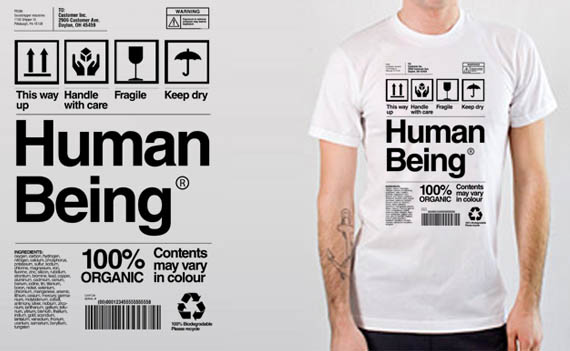
Origin68-Human-Being-T-Shirt1

Silta itsensäjohtamisesta kohti osallistumista rakentuu tietoisen oppimishalun ja lapsenomaisen uteliaisuuden säilyttämisen kautta. Välillä osallistumisen ja keskusteluiden houstaamisen roolit voivat mennä päällekkäin.

2. Osallistuminen: miten olet läsnä ja osallistut?

Osallistuminen on olemista yhteisen tarkoituksen äärellä. Miten vaikutan kokonaisuuteen? Rakennanko tarkoitusta ja tuenko muiden läsnäoloa? Miten oma tasapainoni vaikuttaa osallistumiseeni ja muiden osallistumiseen? Kuinka hyvin olen läsnä ja kuulen ja ymmärrän muiden ajatuksia ja kokemuksia?

Halu oppia ja uteliaisuus ovat hyviä keinoja saada sisäinen tuomitsija hiljenemään. Avoimuus ja rehellisyys auttavat pysymään yhteisen tarkoituksen äärellä. Tietoinen kuuntelu ja läsnäolo helpottavat myös sen tunnistamista, milloin keskustelussa tapahtuu merkittävä käänne ja on hyvä pysähtyä tai kysyä lisää.

Siirtymävaihe osallistumisesta keskusteluiden fasilitoimiseen vaatii pelon voittamista, luottamista yhteiseen kannattelun voimaan. Fasilitaattori ei ole koskaan yksin. Osallistujat ovat myös keskustelujen kannattelijoita. 

3. Keskusteluiden kannattelu ja fasilitointi: miten luot tilan, jossa osallistujat voivat rentoutua ja venyä uusien ajatusten äärelle? Millaista menetelmä- ja prosessiosaamista sinulla on käytössäsi?

Tekemällä oppii. Luottamus itseä ja muita kohtaan vahvistuu; luotat että osaat ja opit luottamaan ihmisten ainutkertaisuuteen. He tuottavat viisautta, joka syntyy yhteisen ajattelun tuloksena.

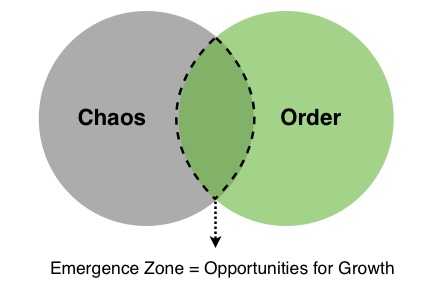
Ryhdy fasilitoimaan keskusteluja, kun olet valmis. Se voi aluksi tuntua hyppäykseltä avantoon. Olet tekemisissä prosessien peruselementin kanssa,  kaaoksen ja järjestyksen välitilan, jossa usein tapahtuu jotain yllättävää.

Opit lisää teoriaa ja sovellat työkaluja käytäntöön. World Cafe, Open Space, piiri, arvostava haastattelu, kollektiivinen tarinankerronta, yhteisluovat suunnitteluprosessit, systeeminen ajattelu. Prosessien ja sadonkorjuun suunnittelun eri vaiheet tulevat tutummiksi. Näet prosesseja moniulotteisemmin ja erotat niistä vivahteita ja vaiheita. Tunnistat ajassa liikkuvien kysymysten ituja. Kaiken ohella sinä opit jatkuvasti jotain – itsestäsi ja muilta.

Fasilitaattorin kasvu kohti yhteisluovaa työskentelyä vahvistaa kykyä nähdä kollegojen erilaisia vahvuuksia siten, että ne tulevat esiin ja hyödynnetyiksi. Merkittävien kysymyksien tunnistaminen ja rohkeus niiden esiinnostamiseen vahvistuu. 

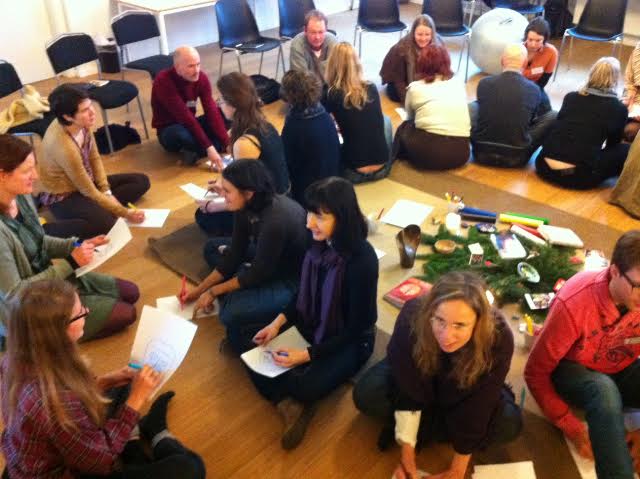
Learning Village Copenhagen

4. Yhteisluominen: miten luot merkityksellisiä keskusteluita yhdessä muiden fasilitaattorien kanssa? Miten tuet toisten vahvuuksia ja vahvistat yhteistä kannattelua ja ajattelua?

Art of Hosting- prosessit perustuvat yhteistyöhön; fasilitaattoreita on aina enemmän kuin yksi.  Suurin harjoitus onkin fasilitoida ja tehdä yhteistyötä kollegojen kanssa.

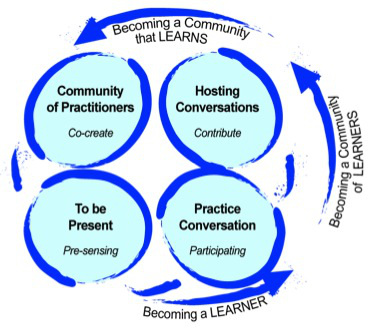
Miten olet osa oppivaa yhteisöä ja tuet viisaan yhteisön syntymistä? Siihen sisältyy kaikki: itsensä johtaminen, osallistuminen, muiden houstaajien kannustus ja tukeminen, toisten vahvuuksien näkeminen ja sitä kautta oppivan yhteisön rakentaminen.

Erillisistä minä-olennoista tulee me-olento.  Mahdollistamme yhteisön täyden potentiaalin. Yhteinen tie antaa paljon. Itsenstä johtamista, tasapainoilua, kuuntelua ja rohkeutta. Parhaimmillaan jokainen voi “levätä” yhteiskannattelun tilassa ja suunnata energiansa siihen, mikä tuntuu oikealta. Yhteiskannattelu on myös haaste: mitä tapahtuu ytimessä, heijastuu kokonaisuudessa. Jos fasilitaattoritiimi on ristiriitainen, se vaikuttaa myös lopputulokseen.

Kannattelun kautta fasilitaattorit tukevat tietoisemman yhteisön syntymisessä. Parhaimmillaan siitä tulee viisas, itseään kuunteleva yksikkö. Se luottaa kokonaisuuteen, osaa purkaa jännitteitään luovasti, ilmaisee ajatuksiaan ja käyttää resurssejaan viisaasti.

Sitoutuminen omaan kasvuun on merkittävä perusta myös vahvemmalle yhteistoiminnalle. Ensimmäisen ja neljännen “holonin” – itsensäjohtamisen ja oppivan yhteisön luomisen välillä – tapahtuu tiivistymistä. Yhteisluominen erilaissa kokoonpanoissa toteutuu harmonisemmin. Palvelutehtävä paremman kokonaisuuden luomiseksi on yhteistyön suurin tarkoitus: persoonat hioutuvat ja vahvistavat yhteistä viisautta.

IMG_4151

Kolme asiaa tapahtuu kaiken aikaa: harjoittelu yhdistyy teoriaan ja osallistavien työkalujen käyttöön.

Yhteinen tarkoitus toimii kompassina

Yhteisten prosessien tärkeitä elementtejä ovat roolittomuus ja kokonaisuuden kannalta parhaan mahdollisen suunnan löytäminen. Jokainen prosessi on räätälöity. Tekemisen tärkein motiivi on kokonaisuutta palveleva tarve ja siitä kumpuava tarkoitus. Ihmisverkostot syntyvät kaikkia yhdistävän tarpeen ympärille. Kompleksisessa ja itseorganisoituvassa ympäristössä yhteydet voivat olla yllättäviä ja luoda nopeastikin erilaisia yhteistyöprosesseja. Ne myös tuottavat sellaisia ratkaisuja, joita hierarkkinen järjestelmä ei löytäisi. Perinteisen roolijaon sijaan etsitään yhteistä viisautta, jossa jokaisella osallistujalla on tasavertainen merkitys. Inspiraatio ja innostus ovat tärkeimpiä suunnannäyttäjiä.

Art of Hosting-fasilitaattorit pyrkivät kuuntelemaan sitä, mikä on jo syntymässä ja tekemään sen näkyväksi. Yhteisluodun suunnittelun kautta etsitään yhteisön tarvetta parhaiten palveleva tarkoitus, luodaan sille osallistava prosessi ja tehdään syntyvä sadonkorjuu näkyväksi. Jokaisella osallistujalla on yhtä suuri merkitys viisaan lopputuloksen syntymiseen.

Prosessien tietoinen rakentaminen

Fasilitointiprosessi kattaa suunnan, jota kohti ollaan menossa. Lopputulosta ja tarkkaa tavoitetta ei sen sijaan sanallisteta, jotta sen minkä pitää tapahtua, voi toteutua ilman rajoittavia oletuksia. Tarkoituksen löytäminen on pientä sipulinkuorintaa, sillä usein tarpeiden joukko osoittaa todellisen tarkoituksen ja suunnan vasta, kun ne on yksilöity tai niitä katsellaan eri näkökulmista. Art of Hosting-ajattelussa pyritään kurkistamaan verhon taakse, löytämään sellainen tarkoitus, joka yhdistää tarpeet ja voidaan muokata eri viiteryhmiä koskettavan kysymyksen muotoon.

Prosessien tietoinen rakentaminen syntyy yhteisluovan suunnitteluprosessin kautta, johon Art of Hosting tarjoaa hyviä työkaluja. Suunnitteluprosessi on samalla myös oppimismatka sekä fasilitaattorien että prosessin asianomistajien kesken. Kaikessa työskentelyssä, sekä suunnittelussa että fasilitointitapahtumassa, on aina avaava, emergentti ja sulkeva vaihe. Lopullinen paletti eri vaiheisiin soveltuvista menetelmistä valitaan mahdollisimman lähellä itse tapahtumaa, jotta yhteisluovan prosessin eri elementit ovat tulleet näkyviksi. Menetelmien valinnassa huomioidaan ennen kaikkea prosessin tarpeet, tarkoitus ja osallistujia parhaiten palveleva sadonkorjuu.

Vuorovaikutus ja dialogi:                                                                                  
Mihin kiinnität huomiota? Miten ilmaiset ajatuksiasi? 

Jotta asiat voisivat löytää kokonaisuuden kannalta parhaan suunnan, tapahtuu kohtaamisia ja keskusteluja. Fasilitaattori rakentaa tätä näkymätöntä kenttää kommunikointinsa ja läsnäolonsa kautta. Sanojen merkitys on suuri. Toisaalta mikään ei kuulosta aidolta, ellei siinä ole sisältöä ja sydäntä mukana. Oikeita sanoja ei voi opetella, sisäinen todellisuus heijastuu olemiseen.

Etsimme hyvää ja kiinnitämme huomiota siihen, mikä toimii ja tuottaa hyvän lopputuloksen. Sisäinen asento on arvostava, utelias ja oppiva. Rehellisyys, avoimuus ja rohkeus sanoittaa vaikeitakin asioita auttaa kokonaisuutta. Varjojen rakentava nostaminen valoon tarjoaa positiivista muutosvoimaa.

Itsensä johtamisen merkitys on jatkuvasti tärkeässä roolissa: millaisessa sisäisessä asennossa saavun paikalle ja kannattelen keskustelua?

Piirityöskentelyn kolmea ohjetta voi pitää kaikessa kommunikoinnissa hyvinä ohjenuorina:

puhu tietoisesti, tapahtuman tarkoitus huomioiden

keskity kuuntelemiseen

huolehdi kokonaisuuden hyvinvoinnista

FullSizeRender (32)

Kuvat:

Kirsi Joenpolvi                                                                                                                                      Learning Village Copenhagen 2012

Kansainvälinen Art of Hosting-verkosto


8 Breaths of Process Design – prosessisuunnittelun apuväline

Alkukipinöistä tietoisuuden kasvuun

8 Breaths of Design  on Art of Hosting- prosessien kokonaisvaltaisin suunnittelun apuväline, joka pitää sisällään suunnittelun, toteutuksen sekä sadonkorjuun jälkeisen reflektoinnin. Erona toiseen samantyyppiseen, ns.kaordisiin askelmerkkeihin (kts. artikkelini Chaordic Stepping Stones- askelmerkit järjestyksen ja kaaoksen reunalla.) 8 Breaths of Design kattaa myös tapahtuman jälkeisen sadonkorjuun ja reflektoinnin.

Matka kahdeksan (tai versiosta riippuen kuuden tai seitsemän) henkäyksen välillä tehdään aina kaaoksen ja järjestyksen rajapinnassa.


Chaos Order Chaordic

Perinteiseen suunnitteluun verrattuna osallistavan prosessin suunnittelu on matkustamista karttapisteiden välillä. Jokaista eteentulevaa asiaa ei voi ennustaa etukäteen eikä kaikkeen voi varautua yksityiskohtaisesti. Tärkeintä ovat kompassi (tarkoitus), hyvät kysymykset, yhteinen läsnäolo sekä tietenkin oikeat matkakumppanit. Osa prosessista tapahtuu vaistoja seuraamalla.

Yhteistä matkan kaikille etapeille on vahva yhdessäluomisen teema. Aluksi kutsuvan ryhmän kesken, sitten ydinryhmän ja viiteryhmien edustajien kesken ja lopulta tilaisuuteen osallistuvien kesken.Tapahtuman jälkeinen sadonkorjuu, reflektointi ja pitempiaikaisen viisauden syntyminen vaativat yhtä lailla yhdessäluomista, silloin laajempien verkostojen kesken. Ilman niitä joille prosessista ja sen esiinnostamista teemoista ja tärkeistä kokemuksista voi jakaa, syvempi systeeminen oivallus ja tietoisuuden kasvu eivät saavuta täyttä potentiaaliaan.Kollektiivisen viisauden rakentuminen  vaatii yhteistä pohdintaa ja kannattelua. Pidemmällä aikavälillä jakaminen saa uusia kerroksia, ja kiteytykset luovat pohjaa seuraaville prosesseille.

                              Show up

                                   Be present

                                       Tell the Truth

                                               Let go of it

                                           – Angeles Arrien – 

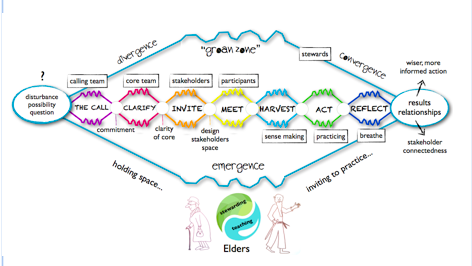
Jokainen kahdeksasta henkäyksestä pitää sisällään avaavan, emergentin ja sulkevan vaiheen. Henkäys on aalto, jossa tutkitaan kysymyksen muodossa tapahtuman kannalta oleellisia asioita. Usein yhden tapaamisen tai keskustelun aikana keskitytään yhteen tai korkeintaan kahteen aaltoon. Prosessisuunnittelussa kolme ensimmäistä tapahtuvat ennen fyysisistä tapahtumaa, toiset neljä-viisi tapahtuman jälkeen. Kokonaisuudessaan kahdeksan henkäystä ovat mikroprosesseja, jotka muodostavat katkeamattoman ketjun allaolevan kuvion sisään.


Chaordic process

Henkäys = avaava, emergentti ja sulkeva tila

Avaavaa prosessia kutsutaan divergentiksi. Mennään kohti tuntematonta, avataan tietoisesti uusia ovia, ollaan avoimia  ideoille, annetaan tilaa luovuudelle. Liian tiukka minuuttiaikataulu voi tappaa hyvän avaavan prosessin.

Avaavan vaiheen jälkeen tullaan vyöhykkeelle, jossa asioita ja ideoita alkaa pulpahdella pintaan. Ollaan emergentissä vaiheessa. Usein ennen selkeyttä saattaa tuntua kaaosmaiselta, mutta varjoillakin voi olla hyviä tarinoita ja viisautta kerrottavanaan. Emergentin vaiheen runsaus, epätietoisuus ja hetkellisyys tarjoavat ponnahdusvoimaa selkeyttä kohti.

Kun taustatietoa on tarpeeksi, edetään sulkevaan, konvergenttiin vaiheeseen. Valitaan etemisreittejä, tehdä suunnitelmia, lyödään lukkoon aikatauluja.

Luovasti ajatellen em. askelmerkkejä voi käyttää sisäkkäin 8 Breaths of Design´n kanssa. Askelmerkit toimivat kompassina fyysiseen tapahtumaan asti, mutta 8 Breaths of Design auttaa hahmottamaan kokonaisprosessia myös fyysisestä tapahtumasta eteenpäin.

I henkäys: tunnistaminen

Jokin asia alkaa kutkuttaa. Se pyörii päässäsi, yhdistyy asioihin joita teet. Kerrot siitä muille, asia alkaa kiinnostaa muitakin. Aihe liittyy tarpeeseen, johonkin joka kaipaa selkeyttä tai tasapainoa. Joskus tämä vaihe tapahtuu hitaasti, joskus se on kytenyt pinnan alla pitkään. Yhteinen sitouminen työhön saattaa ryöpsähtää pintaan nopeastikin. Kun sitoutuminen on tapahtunut, syntyy kutsuva ryhmä (Calling Team). Portti toiseen henkäykseen alkaa aueta.

Ensimmäinen henkäys yhdistyy kolmeen ensimmäiseen askelmerkkiin (Chaordic Stepping Stones) seuraavien kysymysten muodossa:

Tarve: mikä tarve projektilla/tapahtumalla on?

Tarkoitus: mikä projektin tarkoitus on?

Periaatteet: millaisia periaatteita yhteisessä työskentelyssä on?

Yhdessäluomista tapahtuu kutsuvan ryhmän sisällä.

II henkäys: selkeys

Keitä muita tarvitaan kannattelemaan ideaa? Mikä on idean syvempi päämäärä?

Miten päästään tarpeesta tavoitteeseen? Millaisia ihmisiä tarvitaan mukaan? Kenellä on kokemusta ja intohimoa saavuttaa se päämäärä, jota projekti tai hanke edustaa?

Ideasta tulee selkeä, mukaan tulee lisää kannattelijoita. Muodostuu ydinryhmä (Core Team.)

Yhteys neljänteen ja viidenteen askelmerkkiin rakentuu seuraavien elementtien muodossa:

Ihmiset: mille viiteryhmille työ voisi olla merkityksellistä? Ketkä kuuluvat ydinryhmään, ketkä sidosryhmiin, keitä halutaan mukaan osallistujiksi? Ketkä ovat kiinnostuneita kuulemaan työstämme? Kuka vaikuttaa projektin resursseihin? Kuka tekee päätöksiä? Kenen osaamista ja intohimoa tarvitaan?

Sadonkorjuu: millainen sadonkorjuu tekee työstä merkityksellistä?Millainen sadonkorjuu palvelee em. viiteryhmiä? Millaiset sadonkorjuualustat olisivat tapahtumalle hyödyllisiä? Millainen palautemenetelmä tukisi ja nopeuttaisi oppimista ja suunnitelmien toteuttamista? Tärkeää muistaa: onnistuneen sadonkorjuun suunnittelu on vähintään yhtä merkityksellistä kuin onnistuneen kokouksen.

Käsite: miltä projeti näyttää lentokoneesta katsottuna? Millainen symboli tai kuva kertoo sen ominaispiirteistä?

Rajoittavat oletukset: mistä pitää luopua samalla kun luodaan uutta? Mitä huolia tai pelkoja nousee esiin kohti uutta ja tuntematonta? Millaisia olisimme ilman niitä?

Yhdessäluomista tapahtuu ydinryhmän sisällä.

III henkäys: kutsuminen

Kutsumisprosessi on ollut käynnissä jo kauan ennen kuin fyysinen kutsu lähtee maailmalle. Yhdessäluominen ja keskustelut ovat antaneet selkeyttä työn tarpeesta, tarkoituksesta ja viiteryhmistä.

Missä kokoontuminen tapahtuu? Millainen viesti valitulla paikalla voisi olla?Miten kutsu palvelee projektin tarvetta ja tarkoitusta? Ketkä ovat kutsujia? Millainen kutsu houkuttelee tiettyjä sidosryhmien edustajia?Mitkä viestintäkanavat tavoittavat heidät parhaiten? Näihin kysymyksiin on hyvä palata yhä uudelleen.

Askelmerkeistä seitsemäs on selkiintymässä:

Rakenne: Millainen rakenne palvelee tarvetta, tarkoitusta, houkuttelee osallistujia osallistumaan tapahtumaan ja sopii yhteen tapahtuman konseptin kanssa?

Yhdessäluomista tapahtuu viiteryhmien ja potentiaalisten osallistujien kanssa.

IV henkäys: tapahtuma

Tapaaminen osallistujien kanssa. Oikeat ihmiset saapuvat paikalle. Tapahtuu se, minkä kuuluukin tapahtua.

Käydään keskusteluja valitun rakenteen kannattelemana. Tutkitaan kutsuvaa kysymystä, etsitään yhteistä tarkoitusta ja suuntaa. Annetaan sadonkorjuun syntyä.

Kaikkia askelmerkkejä yhdistävää yhteisluomista tapahtuu osallistujien ja ydinryhmän kesken.

V henkäys: sadonkorjuu

Korjataan sato. Tehdään viisaita päätöksiä seuraavista askelista. Jaetaan sato kaikkien siitä kiinnostuneiden kanssa.

VI henkäys: action!

Toteutetaan keskustelujen perusteella syntyneitä päätöksiä. Suoritetaan tietoista seurantaa, jatketaan oppimismatkaa. Pidetään mielessä kokonaisprosessin tarkoitus. Tuetaan parhaalla mahdollisella tavalla itseohjautuvuutta.

VII henkäys: reflektointi ja oppiminen

Pohdintaa ydintiimin ja tärkeimpien viiteryhmien kesken: mitä olemme oppineet? Olemmeko löytäneet yhteyden tarpeisiin ja tarkoitukseen? Mitkä ovat seuraavat pitkän ajan tavoitteet? Mitä niistä voisi seurata? Onko jotain, mitä pitäisi tehdä nyt?

VIII henkäys: yhdistäminen tietoisuuteen

Kaikki kahdeksan henkäystä ovat mikroprosesseja, jotka sijoittuvat jättikokoisen avaavan, emergentin ja konvergentin prosessin sisälle.

Koettu prosessi on osa kokonaisuuden virtaa, joka kasvaa ja muuttuu joka hetki. Kun tapahtumista on mennyt tarpeeksi aikaa, mennyt saa uuden merkityksen. Se tulee osaksi tietoisuutta – sekä yksilö- että kollektiivisella tasolla. Prosessin osapuolet hengittävät kokemusta tietoisuuteensa ja vahvistavat näkymätöntä yhdessäluomisen kenttää. Jalostunut kokemus muuntuu viisaiden päätösten pääomaksi.


8 Breaths of Process Design


Kuvat: Art of Hosting network


Chaordic Stepping Stones – askelmerkit järjestyksen ja kaaoksen reunalla

stepping-stones

Minua on aina kiinnostanut, mitä ryhmien taustalla tapahtuu. Mikä toimii, mikä ei – ja miksi? Energian laki toimii joka tapauksessa, olipa kyseessä sitten oma elämä, organisaatio tai muu kokonaisuus, joka on osa elävää systeemiä. Omanlaisensa salapoliisitehtävä on siis miettiä, miksi jotkut asiat menevät mönkään tai sitten loistavasti. Onko kenties rynnätty liian nopeasti sulkevaan, konvergenttiin vaiheeseen ja toiminnan tarve on jäänyt epäselväksi tai – kun kaikki meni nappiin, oliko kyse hyvästä systeemisestä suunnittelusta ja onnekkaista sattumista?

Osallistavat prosessit tapahtuvat pääosin ihmisten kanssa, ja silloin mukaan tulee myös muuttuja X. Arvaamaton elementti, joka antaa elämälle mielenkiintoisen lisämausteen. On myös niin erilaisia ihmistyyppejä. Jotkut saavat siivet alleen, kun päästään puhumisesta tekemiseen, toiset pohtivat asioiden taustoja syvällisemmin ennen kuin tekevät mitään.

Fasilitoinnissa hauskaa on juuri se, että kaikki tekemisen vaiheet ovat tärkeitä. Myös erilaisilla ihmisillä on tärkeä merkitys. On vain tunnistettava, milloin mikäkin vaihe on valloillaan, ja tuettava kulloinkin tarvittavaa maaperää ja toimintatapoja. 

Askelmerkit kaaoksen ja järjestyksen reunalla

Art of Hosting-työskentelyfilosofiassa pysytellään tietoisesti kaaoksen ja järjestyksen rajapinnalla. Suunnittelu on spiraalinomaista ja monikerroksista, ja moneen asiaan palataan yhä uudelleen.

Kaaoksen ja järjestyksen reunalla tapatuvissa prosesseissa on aina kolme eri vaihetta; avaava (divergent), itseohjautuva (emergent) ja sulkeva (convergent).

Chaos Order Chaordic

Jos mietitään esimerkiksi tulevaisuudessa toteutettavaa tapahtumaa,  Chaordic Stepping Stones toimii kompassina avaavan vaiheen läpi ja antaa suuntaa emergenttiin tilaan asti, joka on itse tapahtuma. (Tästä lisää artikkelissa 8 Breaths of Design.)

Askelmerkit muodostavat sopivan väljän strategisen suunnittelualustan projekteille, joiden lopputulosta ei voida ennustaa, mutta joiden tarkoituksena on valjastaa kollektiivinen älykkyys tuottamaan mahdollisimman hedelmällinen sato.

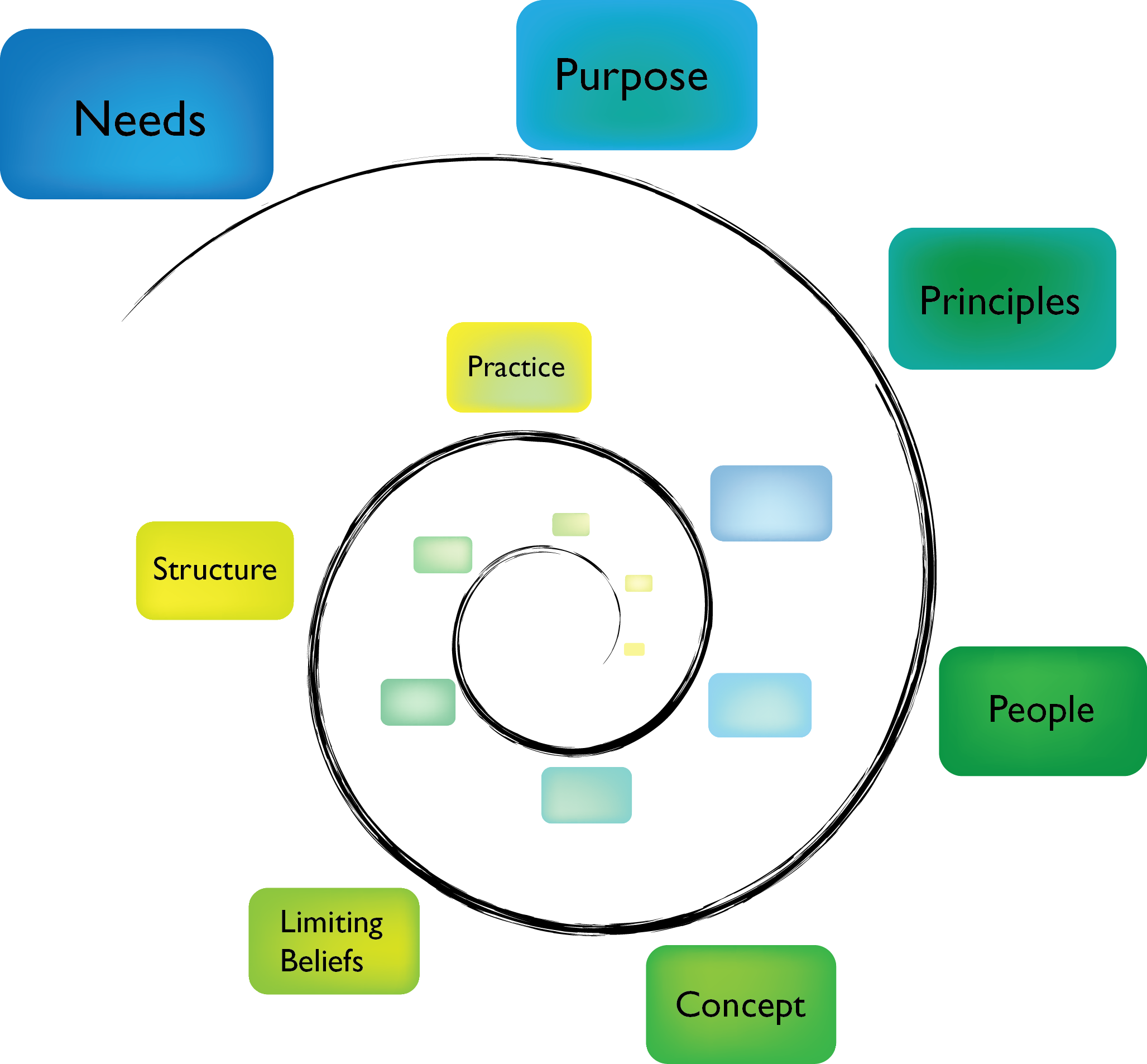
Jokainen askelmerkki sisältää kysymyksen, johon vastaamalla aktivoidaan seuraava astinkivi. Toisaalta vaiheita tarkennetaan ja käydään läpi useampaan kertaan, joten kyseessä on myös itseään ruokkiva spiraali, jonka ympärillä harjoitetaan jatkuvaa yhdessäluomista.

1. Tarve

Mikä on tapahtuman/projektin tarve, mikä siinä aiheuttaa värinää kutsujissa? Mikä pelottaa niin houkuttelevasti, että siihen tartuttava vaikka haasteitakin on tiedossa? Tässä vaiheessa tarpeita voi olla useampiakin eikä niiden listaamista kannata karsia.

cropped-wheatgrass-juice-benefits4.jpg

2. Tarkoitus

Mikä on tapahtuman tarkoitus? Millainen lause kokoaisi tarpeet selkeään ja kattavaan muotoon? Voiko ne pukea kysymykseksi, joka tiivistäisi asian ytimen? Työskentelyn keskiössä oleva Calling Question-kutsuva kysymys- tekee vahvasti tuloaan. Selkeyttä etsiessä on hyvä palata uudelleen tarpeisiin ja etsiä sieltä punaista lankaa.

2013-08-07 18.18.45 Oken kanssa melomassa

Chaordic Stepping Stones on spiraalinomainen ketju, jossa tarkoitus saa ravintoa sekä sitä edeltävästä että seuraavista askelmerkeistä, erityisesti tarpeista ja ihmisistä.

3. Periaatteet

Mitkä ovat tapahtumaan liittyvät työskentelyperiaatteet? Miten ne liittyvät tarpeisiin ja tarkoitukseen? Jos mahdollista, ne olisi hyvä kertoa myös kutsussa, jotta osallistujat ovat tietoisia, millainen tapahtuma on tulossa. Se voi myös lisätä heidän kiinnostustaan.

periaatteet

4. Ihmiset

Keitä tämä värinää aiheuttava asia erityisesti koskee? Millaisista alaryhmistä on kysymys? Visuaalisesta kartasta on usein apua sidosryhmien hahmottamisessa.

Ketkä ovat kutsujia, ketkä kuuluvat ydintiimiin, ketkä sidosryhmiin, keitä halutaan mukaan osallistujiksi? Entä keitä ei haluta? Onko heillä annettavaa esimerkiksi rajoittavien oletusten saralla (kts. 6.kohta) ?

Millainen kutsu houkuttelee paikalle monimuotoisen osallistujajoukon? Kutsuja voi olla useampiakin. Jotkut muodot sopivat jollekin kohderyhmälle paremmin.

Sadonkorjuu: ketkä ovat kiinnostuneita prosessin tuloksista? Millainen sadonkorjuu palvelee eri sidosryhmiä? Miten tämä huomioidaan prosessin vaiheissa?

Alkutekijät

5. Konsepti

Kun tapahtumaa katsotaan lentokoneesta kymmenen kilometrin korkeudesta, millainen kuva siitä muodostuu?  Löytyykö sille jokin symboli? Silta, kartta, lähde, benji-hyppy? Liittyykö sen muotoon jokin työskentelykonteksti- esim. U-prosessi?

cropped-ihana-kuva-skotlannista.jpg

 6. Rajoittavat oletukset

Kun tapahtumalle on löytynyt sitä sopivasti luonnehtiva yläkäsite tai muu vertauskuva, onko siihen myös sisäänkirjoitettu oletuksia, joista on vapauduttava?

Mitä ne voisivat olla –  esimerkikisi suhteessa asiantuntijuuteen, sosiaalisiin ja organisatorisiin hierarkioihin, työskentelyfilosofiaan, kohderyhmiin tai prosessin lopputulokseen? Millaisia rajoja on rikottava?

Mikäli rajoittavat oletukset ovat erityisen vahvoja ydintiimin sisällä, The Work- harjoitukset (http://thework.com/sites/thework/suomi/) ovat eräs vaihtoehto prosessin etenemiselle.

sveaborg_seawindow1

 7. Rakenne

Millainen prosessin rakenne palvelisi tapahtuman taustalla olevia tarpeita, tarkoitusta, periaatteita, sopisi osallistujille sekä istuisi yhteen tapahtuman laajemman symboliseen käsitteen kanssa?

Millainen osallistava rakenne sopisi tapahtuman luonteeseen? Millaiset aikarajat tapahtumalla on?

Suunnittelussa on hyvä lähteä liikkeelle isommista kokonaisuuksista ja edetä sitä kautta pienempiin yksityiskohtiin.

img_4059

1.- 7. =8. Yhdessäluomisen harjoitus

Jokainen askelmerkki sisältää yhdessäluomista eri tahojen kanssa. Chaordic Stepping Stones voidaan  esittää spiraalina, jonka keskellä on yhdessäluominen ja muut askelmerkit sen ympärillä, jatkuvassa vuorovaikutuksessa toistensa kanssa.

Chaordic-Stepping-Stones-v2

Kuvat: Kirsi Joenpolvi, Irmeli Aro, HIAP, Art of Hosting Network

Art of Hosting -koulutus järjestöjohtajille

Myrsky suomenlinna2.12.2016 – 4.12.2016

HIAP/Suomenlinna, Helsinki

Miten synnytetään itseohjautuvaa, sitoutunutta toimintaa kansalaisjärjestöjen muuttuvassa toimintakentässä?

Art of Hosting on taito ohjata ryhmien keskusteluja tavalla, joka vahvistaa kollektiivista älykkyyttä ja halua kuunnella erilaisia näkemyksiä, luo tilaa osallistumiselle sekä toisten huomioimiselle ja muuntaa ristiriidat luovaksi yhteistoiminnaksi. Osallistuville ihmisille syntyy täysi vapaus ja velvollisuus johtaa itseään kuunnellen muita. Taustalla on teoria monimutkaisten yhteisöjen johtamisesta kaaoksen ja järjestyksen rajamailla.

Joulukuussa 2016 Helsingin Suomenlinnassa järjestettävä kolmipäiväinen koulutus on erityisesti suunnattu johtajuuttaan kehittäville verkostojen, järjestöjen ja vapaaehtoisten johtajille, jotka etsivät osallistavan johtamisen keinoja muutosjohtamiseen sekä toimintaan innostamiseen ja motivointiin.

Koulutuksen järjestäjinä toimivat fasilittaattorit Kirsi Joenpolvi, Tanja Korvenmaa ja Lari Karreinen sekä Opintokeskus Visio ja Sivistysliitto Kansalaisfoorumi. Koulutuksen kieli on suomi.

Sisältö

Tulemme tutkimaan ja harjoittelemaan, miten osallistavat menetelmät voivat olla perustana johtajuudelle ja oppimiselle ryhmissä, yhteisöissä ja organisaatioissa. Koulutuksessa osallistujat vetävät harjoituksia itse ja oppivat siten käytännönkokeilujen kautta. Välissä käydään läpi teoriaa. Koulutus sisältää mm:

  • Keskustelujen kutsumisen ja hostaamisen harjoittelua johtajuuden ydintaitona
  • Metodeja, työkaluja ja harjoitteita: teoriaa ja käytäntöä. Koulutuksessa käsitellään mm. nämä metodit: World Café, Open Space Technology, Arvostava haastattelu, Piirityöskentely, Sadonkorjuu ja 8 Breaths of Design
  • Tukea entistä osallistavampien otteiden käyttämiseen omassa työssä
  • Kosketuksen AoH -oppijoiden ja harjoittajien verkostoon

Näiden harjoitteiden kautta, osallistujat oppivat:

  • Suunnittelemaan ja johtamaan merkityksellisiä keskusteluja ja tapaamisia, joiden tuloksena syntyy kirkkaampaa ajattelua, viisaita ratkaisuja ja ryhmän yhteenkuuluvuutta
  • Huomaamaan organisoitumisen perusmuotoja, jotka auttavat nostamaan esille uusia tapoja elää ja työskennellä yhdessä
  • Ymmärtämään miten johtaa ja luoda yhteisöllisyyttä monimutkaisissa ympäristöissä
  • Vahvistamaan omaa kykyään olla positiivisen muutoksen lähteenä


Kouluttajat/fasilitaattorit

Tanja Korvenmaa, Lari Karreinen ja Kirsi Joenpolvi. Fasilitaattorimme esittelevät itsensä täällä.

Tanja Korvenmaa


“Olen toiminut organisaatiokehittäjänä ja fasilitaattorina järjestäen erilaisia tilaisuuksia verkoston perustamisesta strategian suunnitteluun vuodesta 2010. Tällä hetkellä työskentelen Osuuskunta Ehta Rahassa arvopohjaisen rahoitustoiminnan parissa.

Lähestymistapani on systeeminen: jokaisella näkökulmalla on merkitystä kokonaisuudessa. Elämä on monimuotoista ja moniulotteista, silti kaikki osat toimivat yhdessä. Tavoitteeni on luoda turvalliset rakenteet, jotta jokainen yhteisön jäsen pääsee toimimaan luovasti. Kokonaisuuden hahmottaminen ja merkitykselliset tavoitteet tekevät toimivan itseorganisoitumisen ja ketteryyden mahdollisiksi.”

Lari Karreinen

“Olen ratkaisukeskeinen valmentaja, fasilitaattori ja vapaaehtoisjohtamisen valmentaja. Työssäni tavoitteenani on, että jokainen osallistuja voi tuntea olevansa merkityksellinen tekijä. Autan yhteisöjä ja yksilöitä löytämään yhteisiä ratkaisuja niin kehittämiseen kuin vaikeisiin ongelmiin osallistavilla menetelmillä.

Olen tehnyt töitä monille eri järjestöille, esimerkiksi Punainen Risti, Suomi-Unkari -seura, Sylva, vanhempainyhdistyksiä, Kehitysyhteistyön palvelukeskus, Luetaan kaikille -verkosto, Espoon vapaaehtoistoiminnan verkosto ja Soste.

Koulutukseltani olen valtiotieteiden maisteri, aikuiskouluttaja ja akkreditoitu ratkaisukeskeinen valmentaja. Olen suorittanut järjestöjohtamisen erikoisammattitutkinnon, useita kursseja fasilitoinnista, ja käynyt  Art of Hosting-, Host leadership-, ratkaisukeskeinen sovittelu-, lyhytterapia- ja lean-kursseja.”

Kirsi Joenpolvi

“Uskon inspiraatioon ja yhteisen ajattelun viisauteen – kunhan käytössä on voimauttavia menetelmiä ja itseohjautuvuutta tukevia rakenteita.

Suunnittelen ja fasilitoin osallistavia prosesseja organisaatioille, joiden tavoitteena on luoda kestäviä rakenteita, lisätä jaettua johtajuutta sekä parantaa dialogia – sisäisesti ja ulkoisesti.

Työskentelyni kivijalkana on kestävän sosiaalisen yhteisön rakentaminen, olipa kyseessä sitten yritys, järjestö, johtoryhmä tai organisaatio. Prosessien tunnistaminen ja suunnittelun ja toteutuksen välinen luova jännite antavat mahdollisuuksia viisaampiin ratkaisuihin. Art of Hosting -filosofia on syventänyt näkökulmaani, jossa henkilökohtainen ja systeeminen sekä näkyvä ja näkymätön yhdistyvät, yhteisön potentiaali tulee näkyväksi ja jalostuu viisaaksi toiminnaksi.”


Aika

Pe-su 2.-4. joulukuuta 2016.

Perjantaina 12-18
Lauantaina 9-19 (yhteinen illallinen ko 18)
Sunnuntaina 9-14

Kelloaikoihin voi tulla pieniä muutoksia, mm. lauttojen liikennöinnistä johtuen.


Paikka

HIAP, Suomenlinna B28/2. http://www.hiap.fi/suomenlinna


Hinta

330 euroa. Hinta sisältää ohjelman ja ruokailut koulutuksen aikana (lounas, välipalat/kahvit) sekä lauantai-illan illallisen. Sidosryhmäosallistujilla alennuksia, joista on tiedotettu erikseen.

Lisätietoja liittyen Opintokeskus Vision kiintiöön:

Opintokeskus Visio tarjoaa sidosryhmäkumppaneilleen mahdollisuuden osallistua koulutukseen alennettuun hintaan. Jäsenjärjestöjen edustajat: Koskee jäsenjärjestöjen ja niiden alaisten järjestöjen henkilökuntaa, luottamushenkilöitä ja muita aktiivisia toimijoita. Hinta 190€, alennuskoodi AOHJASEN. Vision vapaaehtoisjohtamisen koulutuksiin osallistuneet: Koskee Vision vapaaehtoisjohtamisen peruskurssin 2015-2016 käyneitä ja vapaaehtoisjohtamisen intensiiviviikonloppuihin osallistuneita (kevät 2015 ja 2016). Hinta 230€, alennuskoodi AOHSIDOS. Huom! Toimi nopeasti, kiintiössä vain 10 paikkaa jaossa.


Ilmoittaudu mukaan!

Ilmoittautuminen sivun alareunassa olevan lomakkeen kautta perjantaihin 4.11.2016 mennessä. Kannattaa toimia nopeasti, tällaista ei ole Suomessa usein tarjolla!


Vision maksutavat

  • Verkkopankki
  • Luottokortti
  • Pdf-lasku sähköpostiin
  • Verkkolasku

Peruutustilanteissa pätevät Vision peruutusehdot.


Lisätietoja


Yhteystietoja:

Ilmoittautumiset, maksut käytännönjärjestelyt: Suunnittelija Meri Tennilä, Opintokeskus Visio, meri.tennila@visili.fi, p. 044-727 3243

Koulutuksen sisällöt ja ohjelma: Lari Karreinen lari@karreinen.org, p. 0400 487 642, Tanja Korvenmaa tanja.korvenmaa@gmail.com, Kirsi Joenpolvi kirsi@syncrosdesign.com.

Katso myös:
Kansainvälisen Art of Hosting -verkoston sivut: http://artofhosting.ning.com/
AoH-Suomi sivustot (työnalla): https://aohsuomi.wordpress.com/


Majoitus:

Osallistujat vastaavat itse majoituksesta. Vinkkejä eri majoitusmahdollisuuksiin alla.

Lisätietoja: https://ssl.eventilla.com/artofhostin


Learning Village 2016

HOW TO MAKE A DIFFERENCE
– COLLECTIVELY AND INDIVIDUALLY?

26.-31. May 2016 in Helsinki, Finland

circles - lv-logo - suomenlinna

Welcome to the second Learning Village in Finland.

The world  is changing rapidly. Communities are looking for new working practices and creative solutions. People are being pushed beyond their comfort zone. The pressure can however be a fruitful source for transformation. Communities can support individuals to find their integrity and courage to stand up in a community. And furthermore – wiser communities can make a difference in a society.

How can we reach a place where individualism and collectivism can fruitfully bloom, side by side?

The Calling Question for the second Learning Village will be exploring what is needed – both from us and our communities – to make a difference in a society? How can we  support and help each other to flourish while taking care of the collective? 

What is a Learning Village

The general purpose of the Learning Village is to come together, share and reflect on your questions, inspire each other, bridge people and projects, work together, and strengthen our relationships through our conversations and stories. You are welcome to invite friends and colleagues you wish to share the journey with.

Since this is also a meeting of practitioners using participatory approaches,  we can exchange experiences and learn from our practices. Methods will not be taught; but there will be opportunities to practice and methods will be introduced if used (e.g. Open Space and Circle Work).

We will live and work on the historical fortress island of Sveaborg in Helsinki. Sveaborg is a UNESCO World Heritage Site in maritime environment and surrounded by nature and layers of history.

Three stages of the Learning Village week

2014-10-17 13.42.40-1Design and Settle (1,5 days) – Thu 26. – Fri 27.5.2016
Settling down in Sveaborg and living it’s historical and natural beauty in the Helsinki archipelago. You are welcome to prepare the premises and spirit of the learning village, hang around with others or be helpful in any other way. If you wish to take part in the designing and hosting, please contact anyone in the calling team. The info can be found at the section Hosting.

DSCN7403LEARNING VILLAGE (4 days) – Fri 27. – Mon 30.5.2016
Exploring the ways in which we want to work and live together. We are living our future by exploring and listening to where we are and where we want to go. We are finding wise ways forward and witnessing each other into our individual and collective potential. We will use circle and Open Space and other participatory methods that the villagers are inspired to use together.

sveaborg_wallsPost learning village reflection (1,5 days) – Mon 30. – Tue 31.5.2016
The premises and accommodation are available for slow check-outs. There is time to create self-organized activities, spontaneous post-workshops, space for reflection and time to explore surroundings in good company or just to hang around and do nothing.


More info: https://learningvillagesveaborg.wordpress.com

A 24 hour journey closer to the Calling Question

The idea of a Pre-Event around the Calling Question was thrown up in the air sometime in the autumn as our design team – Juha, Jan-Erik, Vilma, Stephanie and myself- started brainstorming the second Learning Village.

Pre-Expo1

There is some background for this story. Last year we got so excited about the location of the Learning Village- Suomenlinna- that that the whole process took off even before we had any clue about a calling question what´s so ever. The topic around which people would gather and the center of the event constantly came a few steps behind. Eventually we needed to stop and do some extra work in order to make it bright and clear.

There had been other kind of discussion about the calling question, too. Maybe the question was not so important because there were other supportive elements built into the process in any case. On the other hand, a good calling question makes the purpose clearer. It calls up personal ownership and more focused engagement. It brings up deeper perspectives, solutions and passion, and gives energy to fruitful cross pollination as it brings in also people that might not otherwise join us.

Lautta

So this time we decided to dive into the Calling Question well before the event. Our intension was to spend 24 hours at Suomenlinna in the spirit of the Learning Village: to feel, sense and share about themes and elements that were important for all of us, to acknowledge the personal connection and engagement, and witness how the building blocks would slowly make their way into our consciousness and some bigger patterns might be emerging.

As we were looking for a certain commitment for the process, we put the invitation primarily out to the people that had participated the previous Learning Village. We bravely used an old school method: we asked the people to fill in a form where they would share their passion and intension to come and join us.  Of course there was the philosophy of Open Space Technology playing in the background. Who ever appeared, would be the right people. And what ever happened would  be the only thing that could have taken place. It was not about getting a huge amount of participants or a crystal clear calling question but about having the right kind of people who would feel inspired to do the necessary bridging work- combining their own interests and sensing the world´s needs. And while doing this- we could also get some quality time for ourselves.

Aime, Carmela, Kristiina and Martin (all away from Germany) appeared to the scene. All of them had participated in the previous Learning Village and were familiar with the process.

The elements of the Learning Village were there again but now in a more simplistic way. The magical island, Suomenlinna, was present with its full capacity, but my co-hosts Vilma and Jan-Erik were -despite their efforts- unable to join. The group was small but committed.

The Day.

We started with lunch at Chapman´s.  Funnily-  without making a conscious effort- we touched some big themes like life and death, and what is important at the end. It went easily into the essence and back. For those who are wondering whether this is the Finnish version of small talk (it is!), I think this happened mainly because there was a shared intension and trust and openness built in. We kind of jumped into the groove as soon as we sat around the table and easily shared about issues that were present in our lives.

cropped-sveaborg_sol_header

Juha had chosen for us a nice and cozy room with sofas and armchairs at Augusta. We sat in the circle and our intension was in the middle- to explore the elements of the calling question with curiosity and openness. We would go with the flow as much as possible, use the principles of Open Space and Circle Work as our guidelines. With time table we were flexible: I had a rough plan about the beginning and ending times but otherwise we would dance with the flow.  We would have dinner and sauna at some point in the evening, and snacks and coffee for breaks. It was all set, and what was most important, there was trust and openness right from the beginning.  We had entered into that space without masks or roles, and the circle took us even deeper into our journey.

We started with a little check-in where everyone shared why they had chosen to come to this meeting. It was obvious that everyone had followed their inner urge. According to my rough plan we would do some inner exploration first and then move on to Open Space. I only had one question in mind -recall the last year, what were the most important turning points, insights, breakthroughs and new skills that you experienced in those situations?

Pre-Expo kollaasi

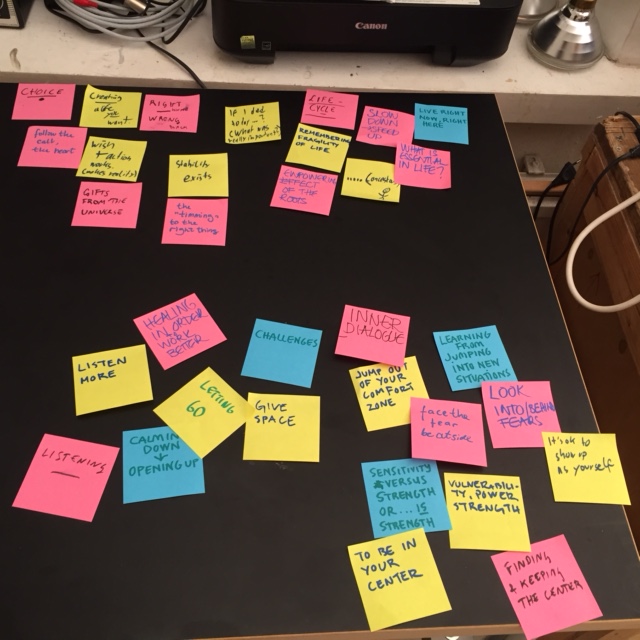
We wrote and drew in silence for a while. When we felt ready we started sharing about our own stories. Harvesting happened automatically as we listened to each other: we marked the most meaningful aspects for ourselves on post-it notes. By the end we had a nice collection of themes. It felt like the elements mentioned in our stories shifted our minds and hearts  and started to search for their own places in our personal system. We did a little collective mind-mapping, and witnessed the picture emerging in front of us. Somehow it took us deeper into our own journey while it also was reflecting the bigger picture at the same time.

By the end of the day we moved from Augusta to Studio Elias in order to mark an ending for the day´s session. We took some markers and papers with us in order to be ready for “something”- but at the same time I was wondering whether we would ever get into the Open Space after all. It did not exactly feel like calling us, it felt like there was still some power left from those story telling sessions. As if some birthing process was in the middle of its energy cycle.

There was also some movement in the air as the island of Suomenlinna was preparing herself for a little night storm.  The nature also seemed to be in sync with our creative process.

The Evening.

There were choices of enjoying an Open Art Studio by a HIAP  artist Mark Bislop, going to Sauna, preparing dinner or just resting.

After a delicious dinner made by Stephanie it was time to make a skype call to those who were interested in joining the event on-line.  We sat at our dinner table, had a lap top on the table, and Vilma and Rainer joined our circle virtually. (The next day I found out that Maria from Spain had joined us in spirit, too. There had been a technical confusion which had prevented her from joining the virtual session.) We gave a little summary of the day and the discussion went deep again.  Polarities, mainstreamers versus the hippy people, how can we build bridges and include everybody, no matter where they come from. What brings trust, how to keep up a welcoming atmosphere. How can one show up in a community and be the best version of herself/himself. After all we are all people, for heaven´s sake!

By the night it was raining outside and our stomachs were full of pasta. We wondered whether we should do a little “pasta walk” to back to Augusta and take a second look at our post-it-collage. But it felt more right to leave it for the morning. So we headed to bed – tired but happy.

Hämärä Pre-Expo

The Morning.

The wind was blowing hard, and our mission was getting more crystallized. We had opened the gates for ingredients of the Calling Question to fly in and they were in full  action.

We continued with the post-it collage and our inner journeys. We shared thoughts about what the Learning Village could be, based on what we had experienced so far and what we would see as its true value. What were the most meaningful insights for each of us after the previous night´s  discussions. We had a circle of the most important insights during our joint 24 hours. Something that could be the building material and corner stones for the next Learning Village. We talked about the power of community, essence of life, meeting the network of practitioners and feeling trust, safety, getting power and support to rise above one´s own comfort zone.

Afterwards I found myself thinking about the issue of trust. We had found it as soon as we sat at our lunch table. How did we manage to do that? The Circle  is of course a powerful tool for connecting to our shared purpose. We were open and listened to each other, witnessed as our purpose took a more concrete form. We chose to be in this place together. We held each other. We had experienced that during the last Learning Village when it welcomed us and took us for a collective journey. Probably experienced that in many other situations, too.  But isn´t it true that somehow we knew how to choose to be there, we have learned to recognize an inner muscle that reminds of it. And when we have that muscle memory we can keep it up and support the web of community for people who step into that space and help them feel safe. The meaning of a Learning Village- even behind any Calling Question can be that, too. And the responsibility for anybody having that experience is to keep it up for others. A communal mindfulness exercise!

Tulevaisuus Suomenlinna

After the Pre-Exploration:

As for my own golden nuggets they were constantly coming back to the multi-dimensional connection between the polarities and the supporting power of a community. Communities can provide support when the forceful power of dualism puts us down. Life vs. death, essence and non-sense, strength and sensitivity, mainstream vs. hippy movement, darkness vs. light. We are part of the mainstream and also the transformers. We are in this journey together no matter where we come from. There are polarities everywhere. Polarities indeed are our dear friends. As recognized they can offer some next level thinking emerging. They will push us and make us rise above dualism, catalyze change, breakthroughs, make us go outside of our comfort zone. They can push us to feel separate in order to make us experience a greater oneness. It is like being in a birth channel. Constantly striving for the next level, in our lives, in our society, within ourselves and from that angle we see much more than our own little window. In order to find the next level and the fast lane in the new paradigm we need the supportive power of communities. Learning Village can act as a catalyzing power that helps us to experience the connection between the polarities and above it, to make way for the new – individually and collectively.

Text: Kirsi Joenpolvi                                                                                                                                       Photos: Kirsi Joenpolvi, Aime Virkkilä-Accorsi, Irmeli Aro